Major Developments in the Conflict or Social Movement
Jamaica gained independence from Britain in 1962, and following this date the Jamaican Labor Party ruled for 10 years. This formation of government was incable of develping industry and grwoth under their own terms, so they accepted foreign capital investment. Through continued reliance on foreign investment (much of it from the US) in industries like mining and transportation, more and more of their economy came under control of imperialists that were looking to exploit Jamaican workers. independence did not end economic inequality or social unrest. Throughout the 1960s and 1970s, Jamaica faced severe poverty, unemployment, and political violence, especially between the two main political parties: the People’s National Party (PNP) and the Jamaica Labour Party (JLP). These tensions often led to gang violence in Kingston’s poorer neighborhoods.
In 1972, the rise of Michael Manley and the PNP marked the next big stage in social movements in Jamaica, as the new Prime Mininster, on a left-leaning model, hoped to bring radicial change to Jamaica. He introduced significant reforms such as union recognition, free education, labor protections, and more that hoped to improve living and working conditions. However, after years of valiant efforts, Manley was not able to follow through on his promises as the nation fell into econmic crisis and much of his reforms did not take longstanding formation. The JLP won back the country in 1980, bringing the country back to a capitliistic state. This moment in history is often recognized as a failed revolution.
At the same time, the Rastafarian movement was growing. Rastafarianism rejected Western oppression, promoted African identity, and criticized colonialism and social injustice. However, Rastafarians were heavily marginalized and persecuted in Jamaica during Marley’s early life. These political and social developments occurred alongside Marley’s rise to fame and deeply influenced his music.
"A tragedy of our history that the masses are predominately black and the privileged classes predominately fair-skinned”
— Michael Manley, a former Jamaican Prime Minister reflecting on the longterm affects of colonial rule and injustice

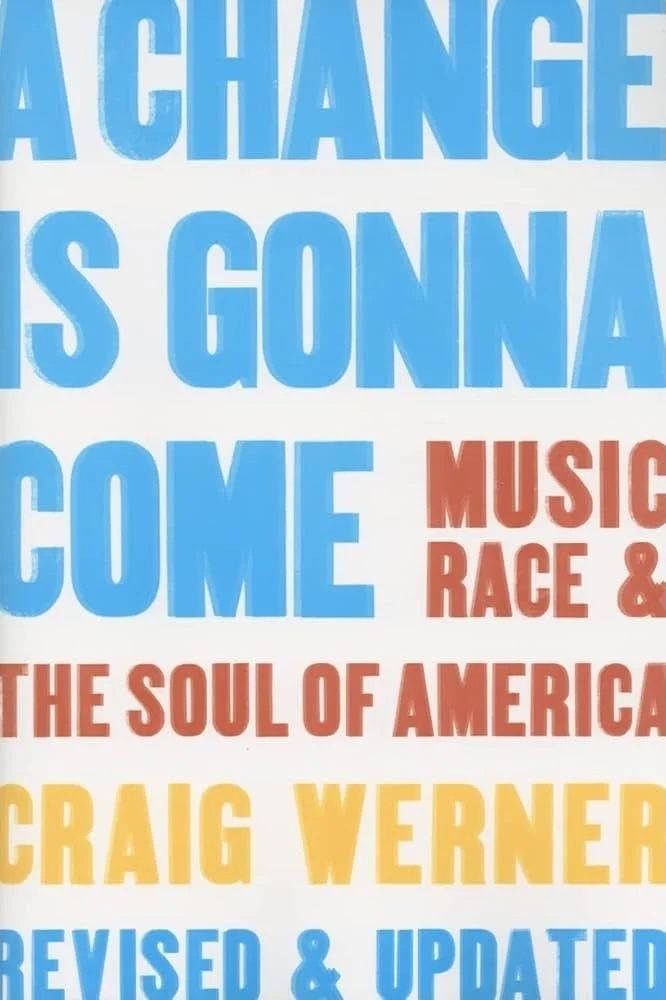
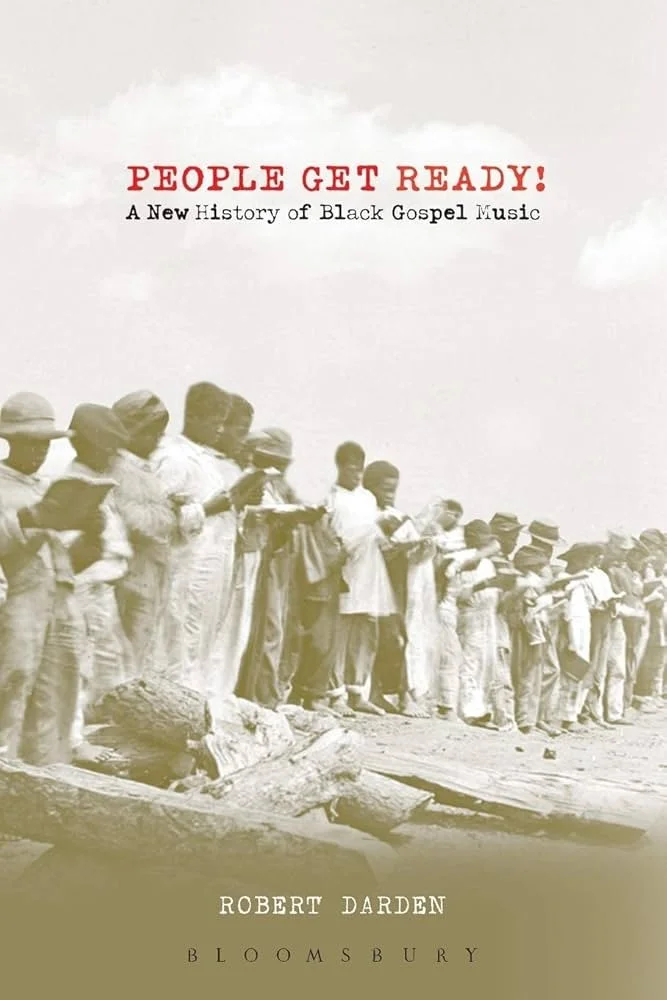
“A Change is Gonna Come” and “People Get Ready!”
We can draw a number of connections between “A Change is Gonna Come” by Craig Werner and “People Get Ready!” by Robbert Darden, but both of these books convey a synonomoous message to that of Bob Marley. “A Change is Gonna Come” is an influential book that articulates some of the most famous black artists and their mishion to not only break down racial barriers, but also bring soul and unique music to the world. Just like Bob Marley, famous artists like Sam Cooke pionered music in their own field, bringning hope and promise to a marginalized group in the process. For Sam Cooke, his niche was gospel music, “mapping the paths available to singers trying to bring the gospel impulse to the interracial marketplace. In “People Get Ready!,” this introspective novel further articulates the rise of gospel music and how it was an important sound for black americans in our history. For example, Albertina Walker, 1990 affirms that she did “not care where anybody else comes from or what anybody else does, Chicago is the capital of gospel and always wil be.” This raw passion for her city and craft is very similar to the passion that Bob Marley spoke and sang with, captivating people with sound. Just like Raggae music in Jamaica, Chicago is where great talents came to learn and develop their craft.